

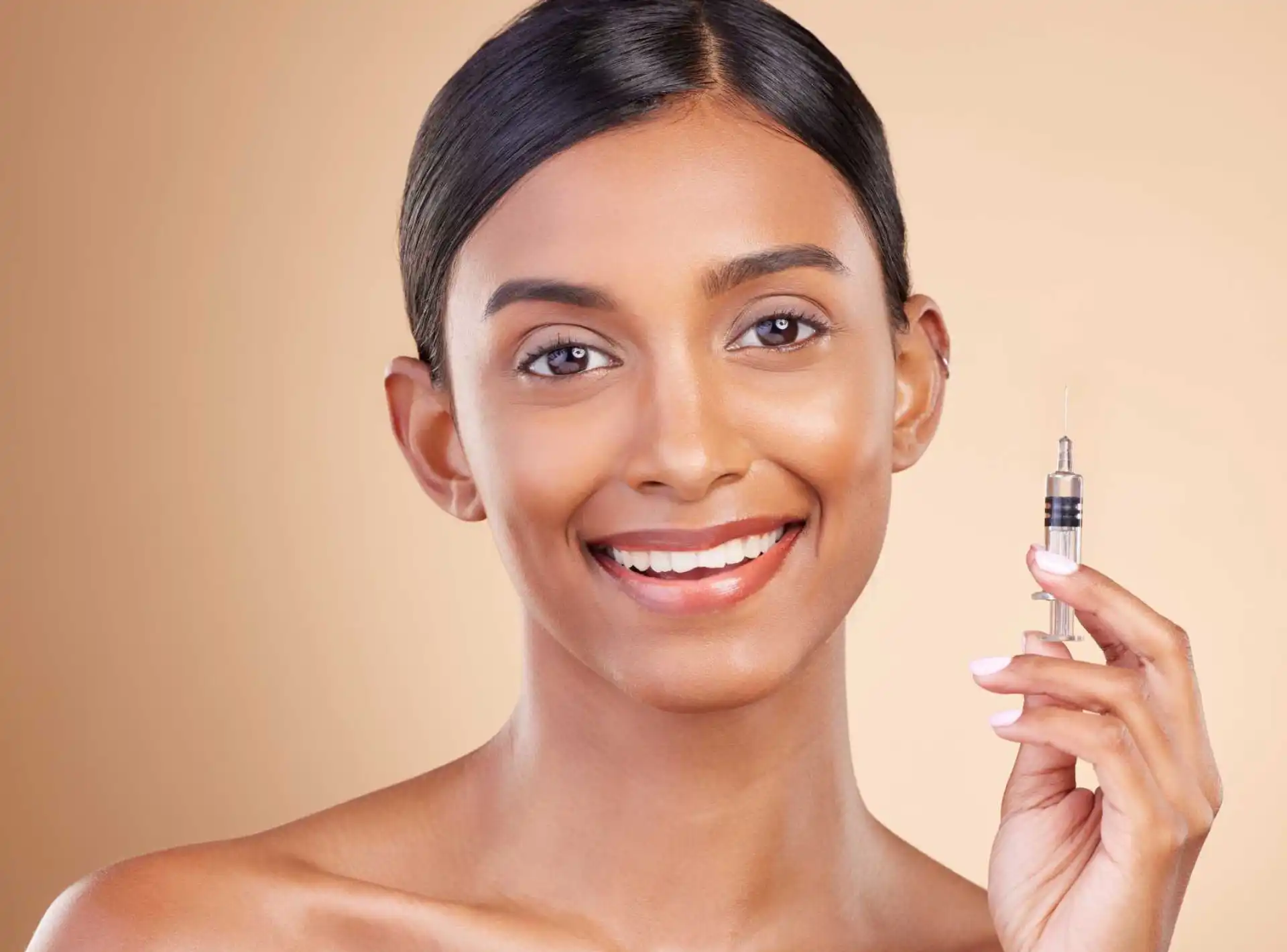
Dermatology deals with skin change, loss of volume. The facial structure gradually changes with a loss of collagen and fat underneath the skin. In dermatology, dermal fillers are utilized to reinforce the skin underneath the skin.
Learning how dermal fillers work
Understanding the dermatology approach to fillers
Dermal fillers consist of substances which are injected under the skin. They are applied to the skin by dermatologists in order to recover support and softness. It is anatomical and skin based treatment. Each of the steps is based on medical skin science. https://www.northstardermatology.com/southlake/fillers/ represents a filler philosophy based on dermatology. This method is focused on accuracy and compatibility to skin. Planning of treatment precedes education. Experience enhances performance.
How dermal fillers work to rejuvenate youthful volume
Dermal fillers are applied under the skin to hold the aged parts. They are in contact with natural tissue to enhance structure and softness. Dermatologists have particular mechanisms that they apply in the use of fillers. The primary methods through which fillers restore youthful volume are listed below.
- Replacing lost volume under the skin – Fillers replenish the fullness in where the fat and the collagen had diminished.
- Supporting weakened skin structure – Injectables make internal supports on the lessened contours.
- Enhancing skin hydration levels – Some of the fillers pull water to make the skin soft.
- Improving balance between facial areas – Strategic positioning retains natural proportions.
- Reducing appearance of deep folds – Fillers raise the skin softly under the skin.
Step by step guide to dermal filler treatment
Dermatologists have a systematic procedure of using fillers. Each step is safeguarding the health of the skin. The procedure is explained in this guide.
Preparation measures in dermatology.
- Cleaning of the treatment area properly- Clean skin reduces the risk of infection.
- Marking injection zones carefully – To increase symmetry and outcomes make careful marks.
- Selecting the appropriate filler type – There are different types of fillers that one is allowed to use depending on how deep the skin is and the area of concern.
- Planning injection depth precisely – Accurateness prevents irregularities on the surface.
How dermatologists ensure natural looking results
Dermatology does not correct too much. Its aim is not to overdo it. Before dermatologists inject fillers, they study movement on the face. This prevents stiffness. Small amounts are fitted in strategic positions. This method honors the natural manifestations. Skin harmony remains intact. Findings look delicate and refined.
Post treatment care guided by dermatology
Aftercare helps in the healing of skin. Direct instructions are given by the dermatologists. These measures decrease the water retention and pain. A close follow up on skin recovery is done.
Suggested aftercare measures.
- Avoiding pressure on treated areas – Such pressure may arise due to movement around fillers.
- Limiting intense activity briefly – Reduction of movement reduces the risk of swelling.
- Keeping the skin clean – Clean skin is more effective in healing.
- Monitoring skin response – Early detection is a precursor to complications.
Treatment outcomes are safeguarded by aftercare.
Conclusion
A dermatological solution to loss of volume is dermal fillers. They are used to work under the skin to give support and make it soft. Knowledge on the working of fillers assists the patients in making wise decisions. Dermatology facilitates safety, balance and healthy skin.
