

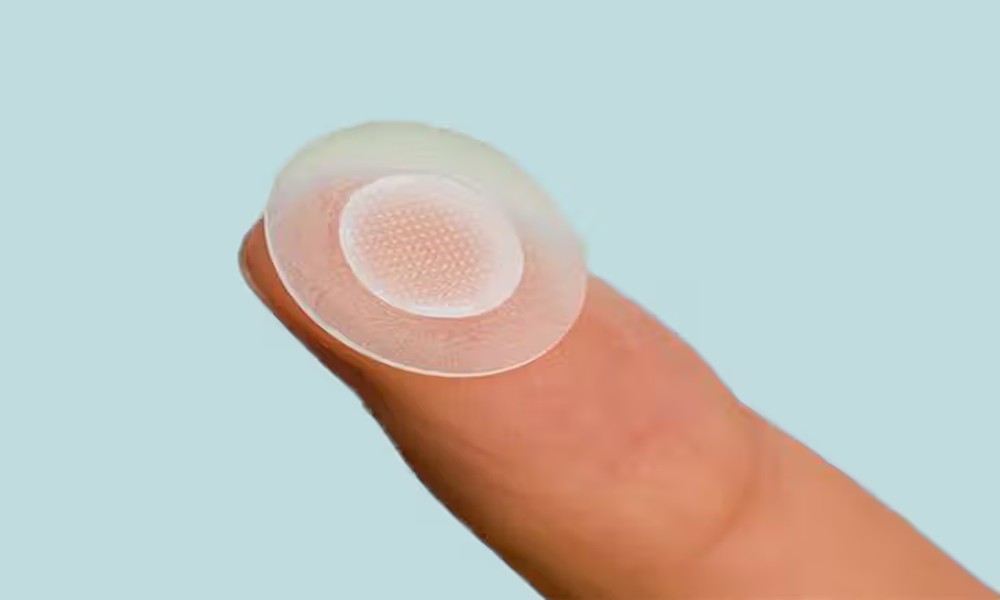
What is with the stuff that everyone is sticking on their skin? You see them as cute because of their color and shapes. But what is really in it? Why do they keep putting them on their face? Is it a kind of style or something behind it?
They are acne stickers. Putting the stickers does not hide it. But it treats blemishes. Pimple Patches erase blemishes and prevent the skin from scarring.
All these are begging for attention, especially when they are noticeable in size. A pimple patch is here to save the day. The available options in the market raise so many questions about what is inside them. It feels tricky to know what is best for the skin.
Do not be stressed.
A pimple patch
A pimple patch is made of hydrocolloid. It is a clever moisture-retentive material used for wound care by healthcare providers. Hydrocolloid absorbs the gunk, such as:
- pus
- oils
- impurities
It forms a protective barrier on the pimple. Thus, the bacteria and friction are prevented. The skin will have the chance to heal without any interference.
A pimple patch has added ingredients that give an extra boost:
- Salicylic acid. Salicylic acid has several functions:
○ exfoliates the skin
○ clear clogged pores
○ pimples heal faster
- Tea tree oil. The natural oil calms the irritated skin. The oil contains antibacterial properties to deal with pimples.
- Vitamin C. Dark spots and post acne marks fade as it targets skin discoloration.
There is the right patch for every type of blemish.
How does the patch work?
A pimple patch is an old-school wound dressing. It is made from hydrocolloid material, which consists of pectin or gelatin. The pimple-fighting ingredient of this patch makes it a handy acne treatment.
Patches absorb excess fluid. It has a vacuum-like effect that gets out oil and dirt. The impurities are converted into a gel-like substance stuck to the patch. The gel-like substance will stick to the patch when removed, leaving the skin. The patch sucks the pimple pus.
Match pimple stage to the patch type
Timing is everything when planning to use a pimple patch. You must match the current stage of the pimple when using a patch type to get the best results.
Early-stage
An early stage of a pimple starts with a reddish, swollen skin. Putting a patch fights the inflammation. Choose a formulated microdart patch or hydrocolloid patch infused with actives, such as:
- tea tree oil
- salicylic acid
The ingredients reduce swelling. It unclogs pores before pimples grow bigger.
Pus filled pimples and whiteheads
Get a medical grade hydrocolloid patch when the pimple is filled with pus. These can pull out the impurities to:
- leave the area cleaner
- speed up the healing process
Leave the patch until it becomes white. It is a sign that it is done absorbing all the gunk.
Dark spots or post-acne wounds
The pimple is gone, but the pesky mark and healing wound were left. Use the formulated patches with tranexamic acid. The ingredients reduce pigmentation. It supports skin recovery while restoring a healthy complexion.
FAQs
How to use a pimple patch?
Use a pimple patch by following these steps:
Is removing the patch painful?
No. The patch sticking on the skin is not painful to remove. It feels like you are removing a toy sticker from the face.
Does it work for all types of breakouts?
A pimple patch works for surface-level blemishes, such as:
