

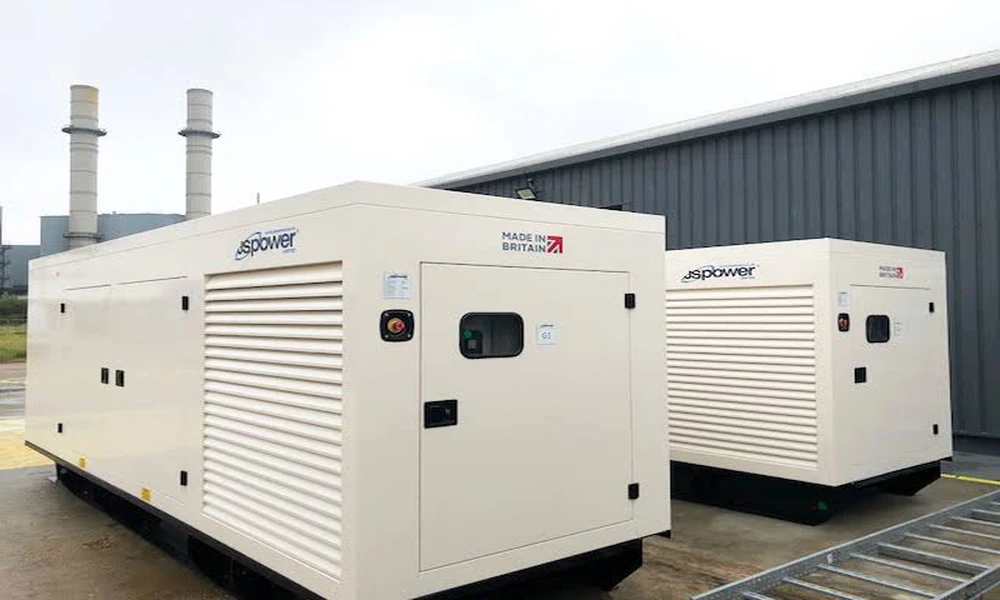
Hiring large temporary power looks simple on paper. A truck arrives, the unit is placed, and the lights come on. In practice, most problems start with planning gaps made weeks earlier. Before you book a 500kva generator for any project, a few checks save time and money. Getting fuel, load, and placement right keeps the hire smooth from day one.
What Load Will You Need?
Start by listing every piece of equipment that will draw power. Add their running loads, then allow for motors that surge when starting. A 500 kVA unit supplies about 400 kW, so your total should sit comfortably below that.
Which Site Checks Matter Most?
Placement problems can delay delivery or stop work entirely. Walk the site with your supplier before confirming the order.
· Ground must be level, firm, and able to carry several tonnes.
· Delivery trucks need clear entry routes without low overhead obstacles.
· Leave enough open space around the container for airflow.
· Keep exhaust outlets well away from windows, vents and walkways.
· Check local noise limits, especially near homes or hospitals.
How Much Fuel Is Needed?
At full load, this size uses roughly 100 to 110 litres of diesel per hour. At half load, the figure drops to around 55 litres. Your daily fuel plan should match the load you expect most of the time.
Choosing the Hire Length
Short hires suit events, shutdowns, or emergency backup. Longer contracts often include servicing, monitoring and better daily rates.
Common Questions Before Booking
Many teams ask similar questions when hiring large units for the first time. These answers cover the most frequent concerns.
· Who supplies the fuel during the hire? Some suppliers include fuel management, while others expect you to arrange deliveries.
· Will a technician connect the unit? Yes, most rental companies send qualified staff for installation and testing.
· How often does the unit need servicing? Usually every 250 to 500 operating hours, depending on the model.
· Can the hire period be extended easily? Most suppliers allow extensions if you give notice in advance.
· What happens if the unit breaks down? Reputable suppliers provide round-the-clock support and replacement units.
Planning the Delivery Day
A smooth delivery depends on preparation before the truck arrives. Small oversights on the day can cause long delays.
- Confirm the exact placement spot with your site manager beforehand.
- Arrange someone on site who understands the electrical connection plan.
- Keep the access route clear of vehicles, materials, and barriers.
- Have the first fuel delivery scheduled before switching on.
- Test the full load gradually instead of connecting everything at once.
Hire Options Compared
| Hire Type | Typical Length | Fuel Arrangement | Servicing | Best Suited For |
|---|---|---|---|---|
| Short term | A few days to two weeks | Usually arranged by the customer | Rarely needed | Events and planned shutdowns |
| Medium term | One to six months | Often managed by the supplier | Scheduled by supplier | Construction phases |
| Long term | Six months or more | Supplier managed with monitoring | Fully included | Remote mines or major projects |
| Emergency standby | Varies by need | Supplier tops up on call | Included | Hospitals and data centres |
Longer hires usually include more support from the supplier. This reduces the workload for your own site team.
Short hires cost less overall but need more planning on your side. Fuel and connection tasks often fall to the customer.
Plan Before Power
Most rental problems come from rushed decisions rather than faulty equipment. Clear load figures guide the right size and fuel plan. Site walkthroughs prevent surprises on delivery day. Booking a 500kva generator goes smoothly when these details are agreed in writing. Check each step once, then review fuel and load records every week.
