

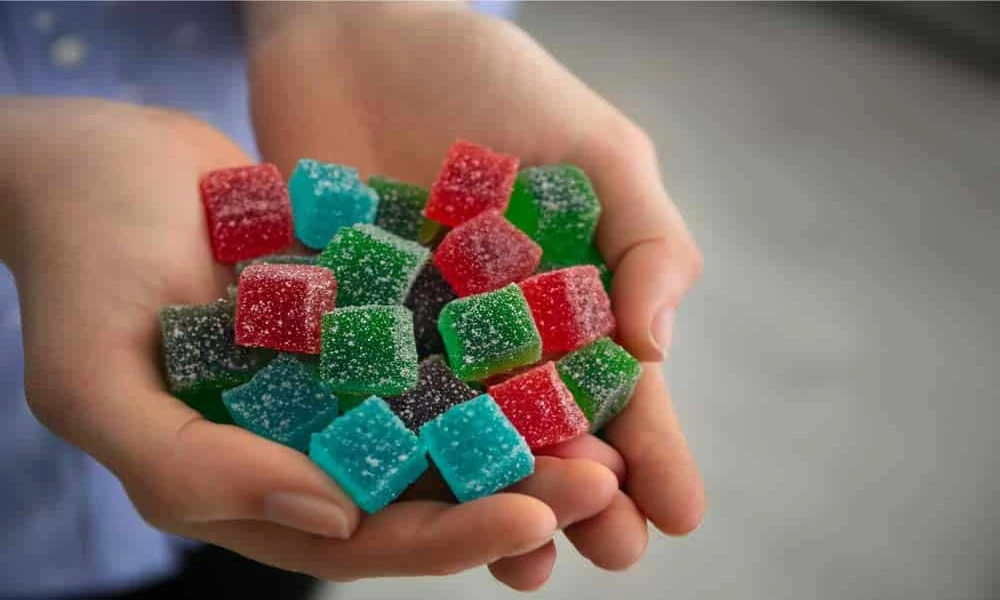
Live rosin extraction produces the cleanest sativa gummy today, because the entire process runs on ice, water, heat, and pressure with no solvent touching the plant material at any point. Fresh frozen sourcing keeps terpenes intact, lab certificates show non-detect on every residual screen, and nothing needs correcting afterwards since nothing chemical entered to begin with. Shoppers ranking the best sativa gummy on purity can verify that claim jar by jar through a short ordered check. One section below explains why the rosin route leads, then five steps confirm a genuinely clean product.
Rosin lead to cleanliness
Rosin leads cleanliness for one structural reason: no solvent ever enters the process, so none ever needs removing. When plants are frozen within hours of harvest, they maintain their delicate terpene content, and when they are agitated with ice water, the resin glands are separated, and the extract is finished with gentle heat and pressure. There are no detectable residuals across all residual screens in rosin gummies, even though terpenes like terpinolene and limonene are present in very high concentrations. While CO2, ethanol, or hydrocarbon processes can achieve legal purity through careful removal, start-up processes always beat those that are cleaned afterwards. Confirming that standard on a real product takes five short steps.
- Find the method statement
Finding the method statement starts with the package itself. A producer confident in clean extraction names the process plainly, live rosin, solventless, ice water extracted, or similar specific wording. Vague phrases such as premium extract or pure oil ” mean nothing and prove nothing. Jars stating the exact process pass this first gate, and the words live rosin specifically confirm fresh frozen sourcing rather than dried material.
- Pull the lab certificate
Pulling the lab certificate comes next, usually through a QR code on the jar or a batch lookup on the producer’s site. A current certificate matched to the batch number in hand carries real weight, while an old or generic document does not. Products with no reachable certificate at all leave the shortlist immediately, whatever the front label promises.
- Check residual solvent results
Checking residual solvent results means opening that panel inside the certificate and reading the actual numbers line by line. Non-detect or zero across butane, propane, and ethanol entries marks a truly clean extract, while trace readings within legal limits reveal solvent processing, acceptable for compliance, yet a full tier below solventless work. A missing solvent panel on any product claiming solventless status deserves a direct question to the producer before purchase. Heavy metal and pesticide screens sitting on the same document complete the purity picture, and together these figures settle the cleanliness question more firmly than any marketing sentence ever could.
- Review the terpene panel
Reviewing the terpene panel uses the same certificate. Genuine live rosin from an energising sativa shows measurable terpinolene, limonene, or pinene percentages, since the cold process preserves them naturally. A near-empty terpene panel on a rosin-labelled product raises a flag, because true fresh frozen extraction and flat terpene numbers rarely belong together. Strong, named terpene content confirms both cleanliness and daytime character in one reading.
- Confirm storage and batch date
Confirming storage guidance and batch date closes the check. A recent pressing date keeps the terpene profile honest, since even clean extracts fade over long shelf time. Cold storage advice on the label signals a producer protecting delicate compounds after extraction. Both details together show care continuing past the press, which is exactly where the cleanest products separate from merely compliant ones.
Clean extraction shows itself twice, once in the process and once on paper, and live rosin passes both readings with room to spare. A buyer who names the method, matches the certificate to the batch, and reads solvent, terpene, and freshness lines in order, needs no expert opinion afterwards, because the jar has already proven itself.
