

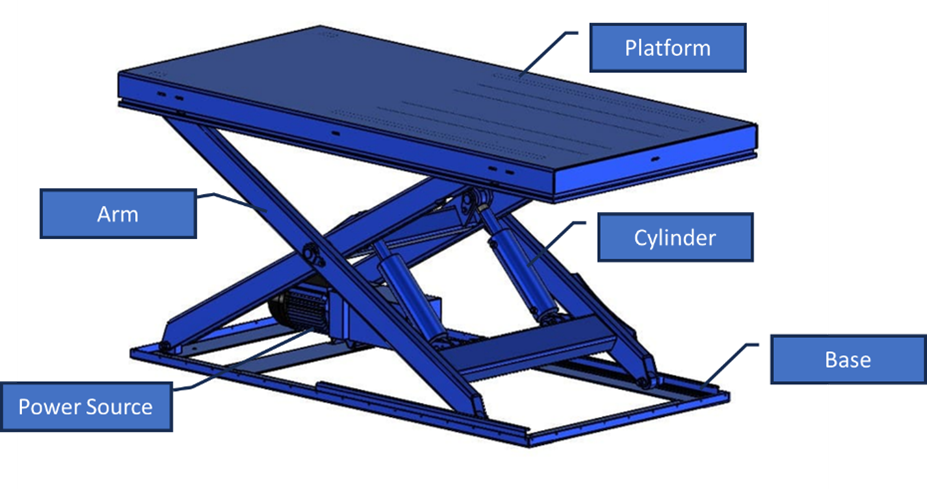
Hydraulic lifts are dominant in the Australian market, owing to the high force density of hydraulics and a fairly forgiving maintenance profile — but there are alternative power sources gaining traction. Pneumatic-tables are powered directly from the factory compressed air and eliminate oil completely, making them ideal for food or pharmaceutical environments where the risk of contamination is simply unacceptable. While slower, mechanical screw-type tables can accurate within a micron step, valuable for electronics assembly. An electric actuator comprising roller screw jacks has a more sustainable footprint since regenerative drives can catch energy from a descent to recharge capacitors. Regardless of which powertrain it uses, efficiency depends on proper sizing of pumps, short hoses and strict preventative maintenance. An oiled circuit without ingression of water and particulate leads to maintenance both in terms of valve sealing and cylinder sealing.
Upkeep and Checking Procedures
Under proper maintenance, the lifespan of scissor lift tables is ranges their 15 years and beyond. Common pre-start checks include inspections for structural damage, checking that the emergency stop works and checking for a stable hydraulic noise. Cleaning the platform to avoid slip and fall hazards and visually checking the flexible hoses for abrasion could be among the weekly tasks. Quarterly servicing includes filters, torque check on pivot pins and pressure relief valves calibration. Under state and territory legislation, annual certification must be performed by a competent technician who documents deflection testing and compliance with AS 2550.9. Proper maintenance prevents catastrophic failure and keeps the factory warranty intact, which enhances both safety and asset value.
Operator Training and Safety Systems
Integral safety features is a last line of defence against accidents. Toe guards provide a physical barrier, which collapses as the platform moves downwards, avoiding crush injuries. The velocity control valves lock the hydraulic flow the moment a loss in hose pressure happens, stopping the platform in place. For the protection of technicians, mechanical maintenance props lock the table in full height while servicing. Operator competency is what ultimately decides production, and while intact hardware is critical, it is not everything. Hazard identification, safe operating procedures and emergency response are only a few of the topics in many of the training programs sanctioned by the Registered Training Organisation network within Australia. When workplace changes arise such as works rearrangement of automated feeding equipment introduction, Refresher courses are needed.
Applications of this framework differ across various sectors in Australia
Scissor lift tables support productivity in a number of industries all across the national economy. They position heavy drill components at bench height for refurbishment in Perth’s burgeoning resource sector Stainless-steel models located in wash-down zones of Melbourne’s food-processing plants complement the lean production principles inherent in this strategy by reducing excess motion. Given its high speed when stacking delicate broadsheets, Sydney’s printing houses have to depend on zero-energy descent cycles to avoid marking during the transfer. Although operational context may progressively vary, the basic purpose—lifting of loads safely and efficiently —remains the same, ensuring the place of the scissor lift table as a system solution across industries.
The notices advised companies to obtain engineering approval before altering flow control valves or replacing power units, with a caveat that even good-intentioned changes can detract from embedded safety layers. Sustainability, predictive analytics and lean manufacturing are set to power future innovations, but the scissor lift table is well suited to meet the challenge, lifting Australian enterprise—and literally—into a new realm.
Final thoughts
Australian insurers will look at material handling equipment from two angles — risk exposure and compliant history. When organisations can provide frequency of inspection records, accreditation of operators and operate within manufacturer design limits, policy premiums can be more attractive. On the other hand, non-adherence to applicable standards may result in exclusions or excess increases. In the early 2010s, authorities in Victoria and New South Wales issued safety alerts after a number of workplace incidents that identified the risks associated with DIY modifications to hydraulic circuits.
