

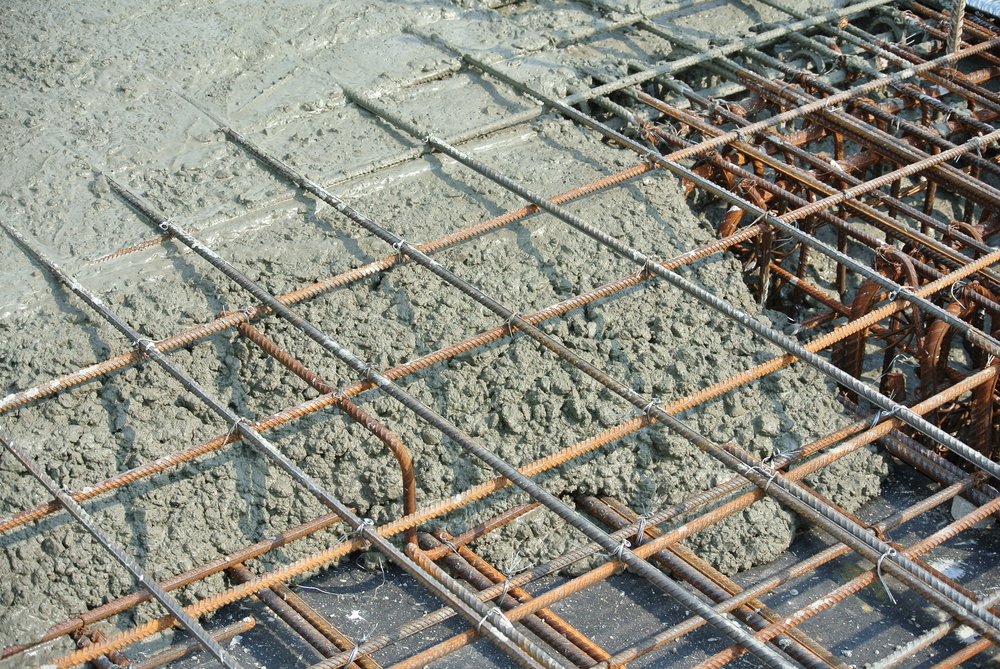
A concrete reinforcement bar enhances the strength and durability of a concrete structure. Choose the right rebar type to ensure structural integrity, longevity, and cost-effectiveness. Rebar provides tensile strength to concrete, which has strength in compression but weakness in tension. Structures can more effectively withstand various loads, stresses, and environmental factors by incorporating rebar.
Factors in selecting concrete reinforcement bars
Grade and strength
The rebar grade refers to its yield strength or ability to deform plastically. Common grades include:
- Grade 40 (40,000 psi yield strength)
- Grade 60 (60,000 psi yield strength)
- Grade 75 (75,000 psi yield strength)
- Grade 80 (80,000 psi yield strength)
Higher grades offer greater strength but may come at a higher cost. The grade choice depends on your project’s structural requirements and local building codes.
Size and diameter
Rebar comes in various sizes, typically denoted by a number roughly corresponding to its diameter in eighths of an inch. Standard sizes range from #3 (3/8 inch) to #18 (2.25 inches). The size selection depends on:
- Structural load requirements
- Concrete member dimensions
- Cover requirements
- Spacing limitations
Larger diameter bars provide more strength but may require more excellent concrete cover and can be more challenging to bend and place.
Material type
While standard carbon steel is the most common material for rebar, other options include:
- Epoxy-coated rebar: Offers enhanced corrosion resistance
- Galvanized rebar: Provides long-term protection against rust
- Stainless steel rebar: Ideal for highly corrosive environments
- Fiber-reinforced polymer (FRP) rebar: Non-corrosive and non-conductive
The choice of material depends on environmental conditions, project lifespan, and budget considerations.
Deformation pattern
Rebar typically features raised patterns or ribs on its surface to improve bonding with concrete. The specific deformation pattern affects:
- Bond strength
- Crack control
- Ease of handling and placement
Ensure that the chosen rebar meets ASTM standards for deformation requirements.
Ductility
Ductility refers to the rebar’s ability to deform plastically without fracturing. This property is crucial for structures in seismic zones or those subject to dynamic loads. Look for rebar with good elongation properties, typically specified as a percentage.
Corrosion resistance
For structures exposed to corrosive environments, corrosion resistance is a critical factor. Consider:
- Epoxy-coated or galvanized rebar for moderate protection
- Stainless steel or FRP rebar for severe environments
- Increased concrete cover for additional protection
Specialized applications and considerations
Specific project types or conditions may require specialized rebar selection:
- High-rise buildings – For tall structures, higher-strength rebar (Grade 75 or above) may be preferred to reduce congestion and optimize member sizes.
- Bridges and infrastructure – These projects often require excellent fatigue resistance and corrosion protection. Consider high-strength, corrosion-resistant options like stainless steel or FRP rebar.
- Nuclear facilities – Nuclear structures demand the highest levels of quality control and may require specialized rebar with enhanced properties and traceability.
- Earthquake-resistant structures – For seismic design, focus on rebar with high flexibility and good energy dissipation properties. Ensure compliance with seismic design codes.
- Precast concrete elements – Precast applications may benefit from higher strength, facilitating thinner sections and reducing weight.
- Decorative or exposed concrete – Consider stainless steel or FRP options to prevent staining or spalling where rebar may be visible or close to the surface.
By carefully considering and properly selecting Concrete Reinforcement bars, you’re laying the foundation for success in your construction project.
